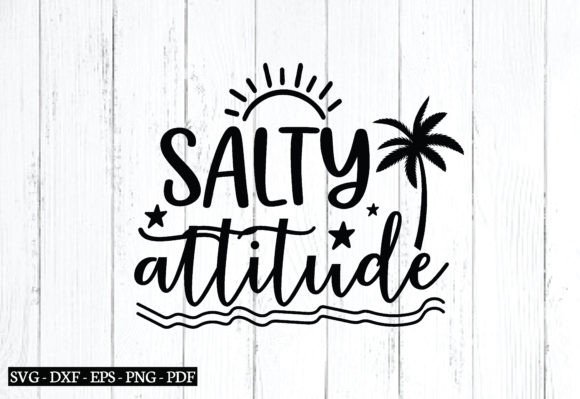
Salty Attitude Graphics for Crafts
First Impressions and Brand Personality
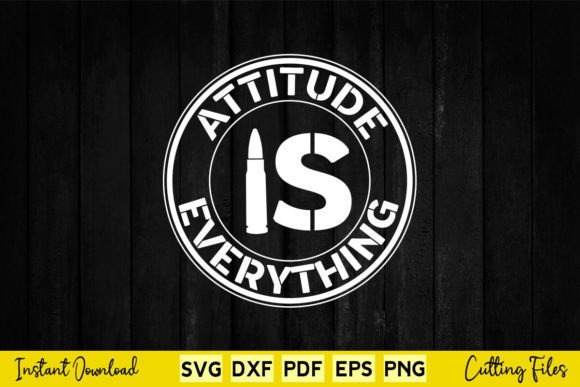
The Salty Attitude Svg immediately feels playful yet approachable. It carries a casual, friendly vibe that suggests a brand with a laid-back attitude and a touch of personality. The design is clean but not overly minimal, offering a balance between modern aesthetics and handmade charm. This makes it particularly well-suited for small businesses that want to convey warmth and authenticity in their branding.
Fitting Brands and Business Types
Salty Attitude Svg would work exceptionally well for local food businesses like bakeries or coffee shops, as well as handmade soap or candle brands. Its graphic style aligns naturally with crafts and creative marketplaces, making it ideal for boutique owners, florists, and home decor shops. The design’s versatility also allows it to be used in seasonal campaigns or promotional materials that require a fresh, eye-catching visual.
Practical Use Cases in Real Business Design
- Product Labels: The Salty Attitude Svg can serve as an accent on product labels, adding a pop of character without overwhelming the essential information.
- Packaging Design: It works beautifully as a decorative element on packaging, especially for handmade or artisanal products where a personal touch is desired.
- Menu Graphics: In a café or restaurant setting, this asset could be used as a background or border for menu graphics, enhancing the overall aesthetic while maintaining readability.
- Social Media Graphics: The design is perfect for creating engaging social media content, from banners to story highlights, helping to build a cohesive brand presence online.
- Business Cards and Flyers: When paired with appropriate typography, the Salty Attitude Svg can elevate the look of business cards and promotional flyers, making them more visually appealing.
- Website Banners and Web Design: As a digital asset, it offers great flexibility for web design projects, including website banners, editorial layouts, and Canva templates.
Supporting Business Presentation and Brand Identity
Incorporating Salty Attitude Svg into a brand’s visual identity can help create stronger first impressions and improve customer trust. Its use in packaging and promotional materials can enhance product recognition and contribute to a clearer visual hierarchy. For small business branding, this asset supports a consistent and polished look across all marketing visuals, reinforcing the brand’s message and values.
Where It Works Best
Salty Attitude Svg excels in areas where a subtle, decorative element is needed. It shines in product labels, packaging accents, hero graphics, and promotional banners. It’s also effective in seasonal packaging, boutique visuals, and social media campaign graphics. These applications allow the design to add personality and interest without overpowering the core content.
Where to Use with Caution
While versatile, the Salty Attitude Svg may not be the best choice for formal corporate branding or luxury minimalist designs. It should be used carefully in very small labels or crowded product packaging where it might compete with important text. Additionally, it may not be suitable for ingredient-heavy layouts or legal information areas where clarity is crucial.
Brand Designer Notes and Practical Tips
As a brand designer, I recommend testing the Salty Attitude Svg on real packaging mockups to ensure it fits the intended context. Always check its performance in black and white to confirm it maintains visual appeal in different settings. Preview it on small labels to assess how it scales down, and test it with various brand colors to ensure compatibility.
Compare it with competitor packaging to gauge its uniqueness and marketability. Confirm the print quality by reviewing PNG transparency and SVG vector editability when necessary. Test it alongside different font styles—serif, sans serif, script, and display—to see how it interacts with your brand’s typography.
Finally, always confirm the commercial license before using it for client work, business branding, or physical product sales. This ensures you’re using the asset within legal boundaries and maintaining professional standards in your design practice.